
From Hustle to Capacity: The way I rebuilt how I work after burnout
There was a period in my life where everything, on the surface, appeared to be working.
I was building businesses, creating consistently, moving forward in ways that made sense externally. From the outside, it held together — there was momentum, direction, a sense of progression that was easy to point to. But internally, the experience was different. What sat beneath it all was a quieter, more persistent state. Not burnout in the way it is often described — sudden or dramatic — but something slower, more subtle. A low, steady exhaustion that never fully left.
At the time, I didn’t question it. I assumed this was simply part of caring deeply about your work — that a certain level of tension, of underlying fatigue, was the cost of building something meaningful. So I continued.
My background is in design, but more than that, I have always been someone who builds. Ideas, brands, businesses — I have followed instinct over structure, begun before I felt ready, and learned through experience rather than certainty. Some of what I created worked. Some of it didn’t. Most of it shaped me in ways that were necessary.
But beneath all of it, there was a consistent pattern in how I worked. I would push when the energy was there, hold everything together when it wasn’t, and find a way forward regardless. It was effective, in a sense, but it required a constant override of what my body was asking for.
I didn’t burn out overnight. Looking back, it was something I built gradually — through overextension, through habit, through a quiet dismissal of my own limits. Saying yes when something wasn’t fully aligned. Maintaining consistency when what was needed was pause. Continuing to produce, even when the quality of my energy had shifted. It wasn’t a lack of motivation. It wasn’t a question of discipline. It was the structure I was operating within.
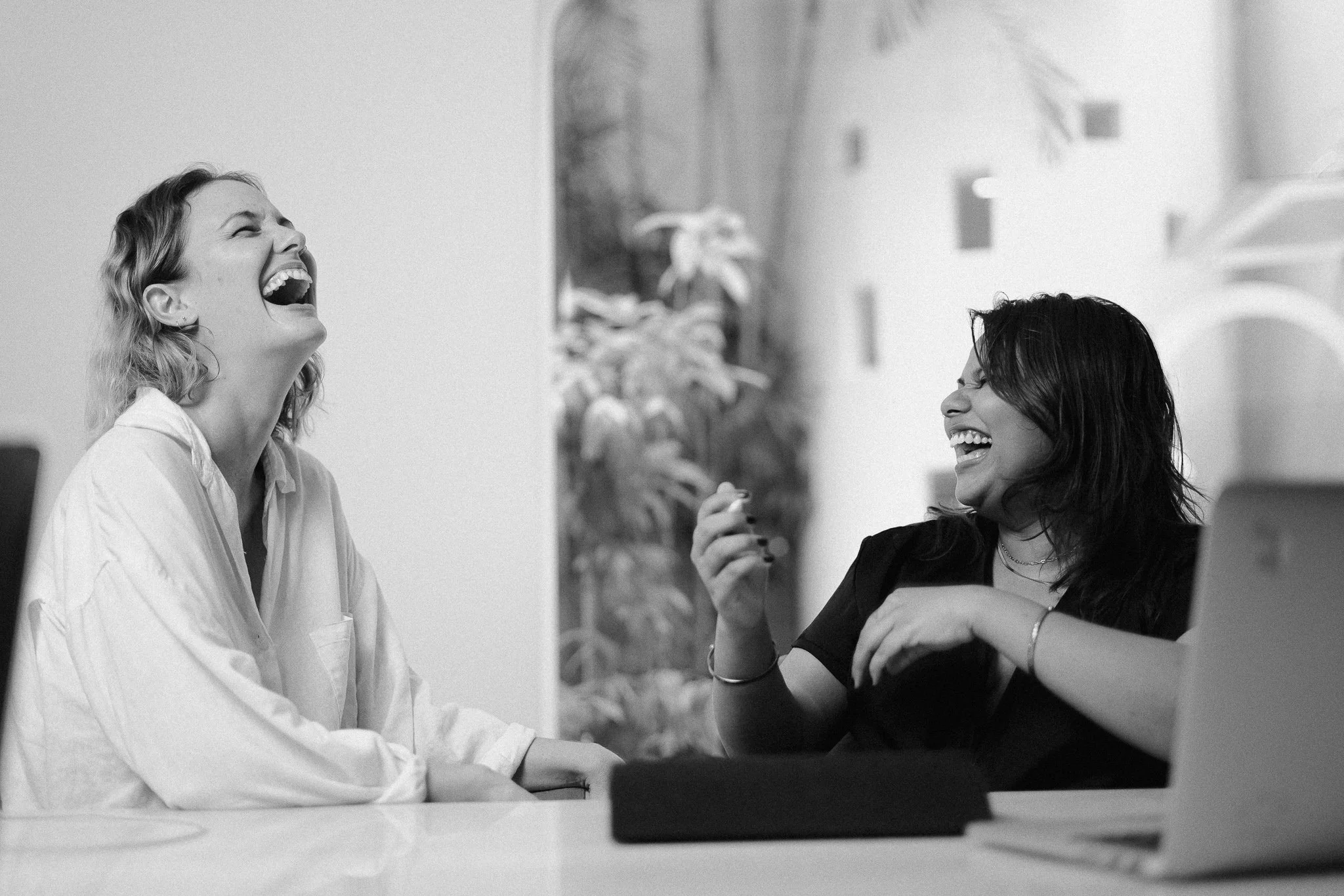
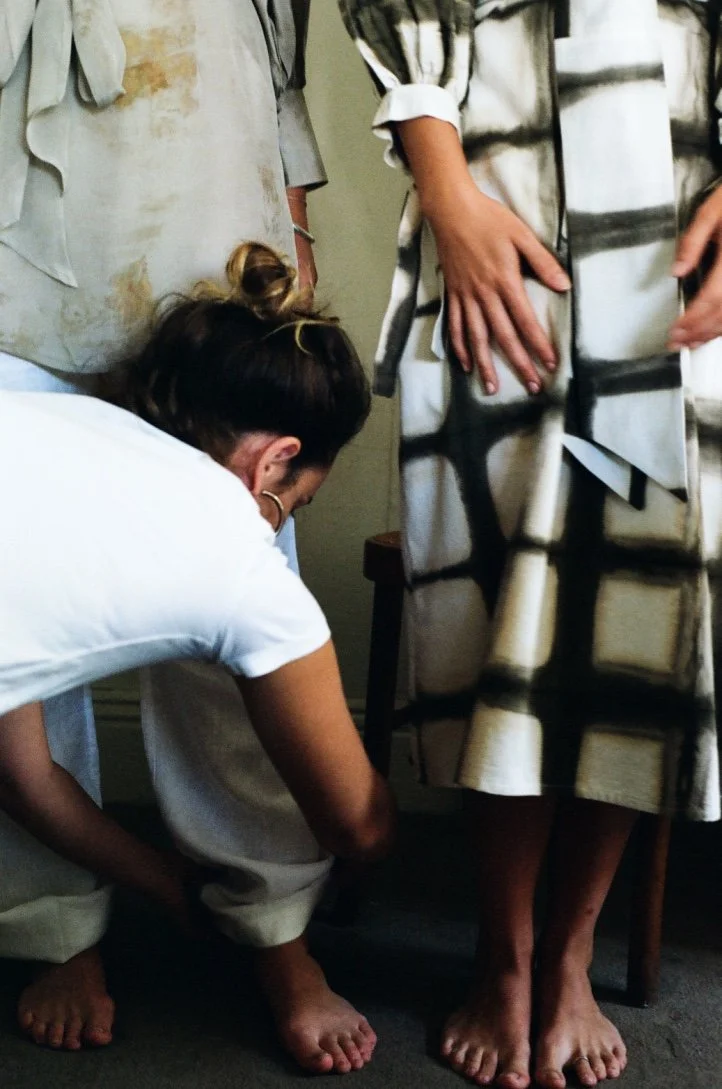
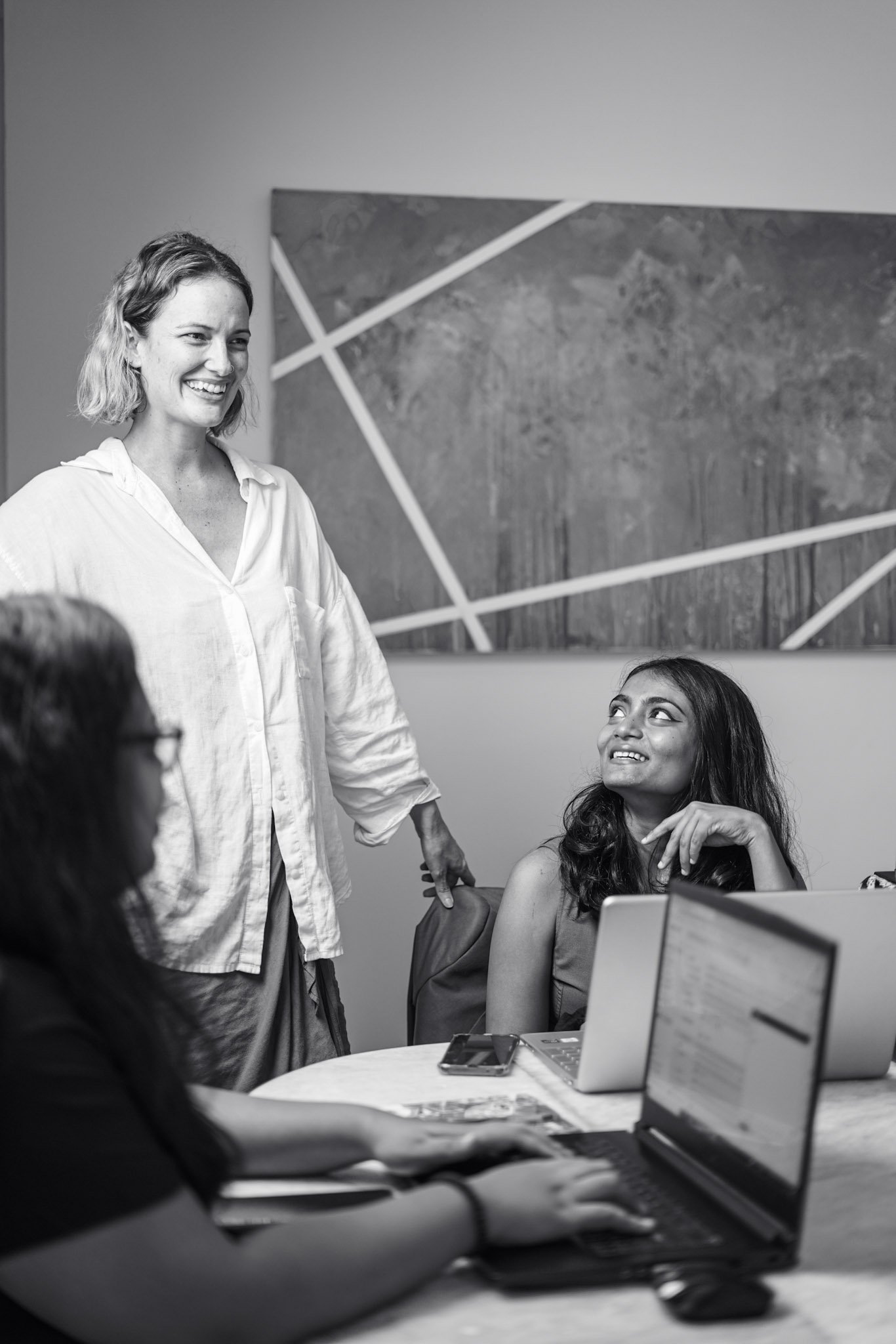
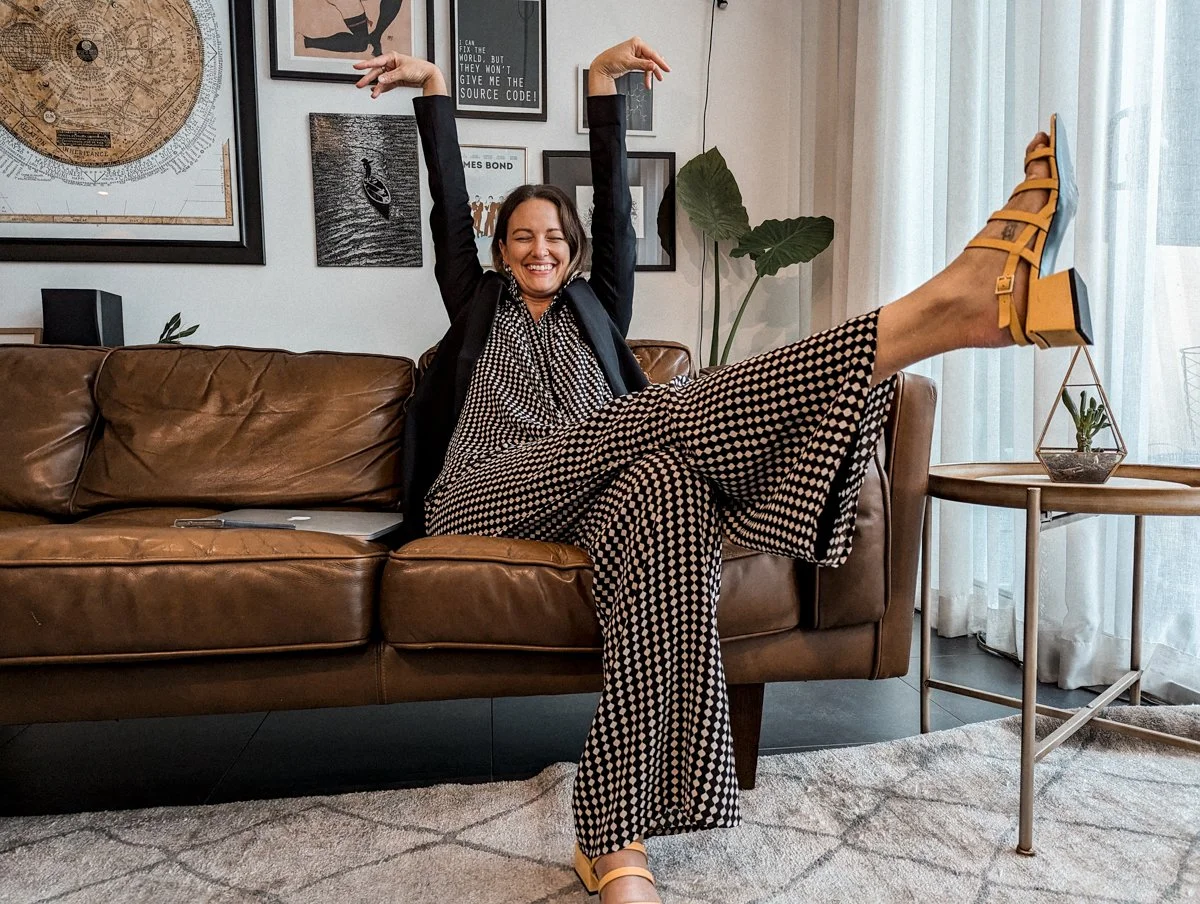


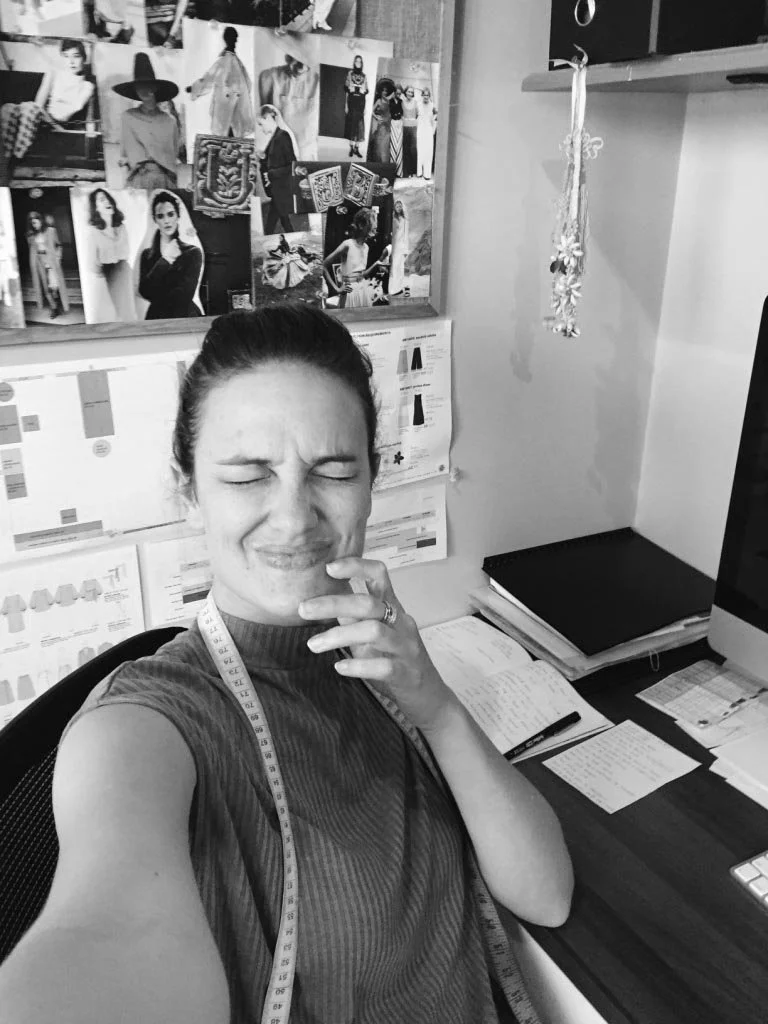

Motherhood made that structure impossible to maintain. Not in a way that felt gentle or poetic, but in a way that was exacting. My capacity changed, completely and without negotiation. The space I once relied on to override my body simply wasn’t there anymore. There was no pushing through. No compensating with effort. Something had to give.
What began to emerge, slowly, was the understanding that the version of power I had been working from was not sustainable. Power, as I had known it, was tied to output, to consistency, to the ability to hold everything together regardless of cost. But there was another way of working that I hadn’t fully allowed myself to trust — quieter, less visible, but far more stable. A way of working that began with capacity, rather than expectation.
The shift was not immediate, but it was decisive. Instead of trying to make my life fit a structure that ignored my body, I began to build a structure that responded to it. This changed everything. It changed how I approached work, how I made decisions, how I measured progress. It required me to move away from force and towards rhythm — to let the natural fluctuations of energy inform how and when I created.
Consistency, as I had known it, gave way to something more responsive. Productivity became less about output, and more about alignment. Space, which I had previously resisted, became necessary.
What followed was not just more ease, although that was part of it. It was clarity. The kind that doesn’t come from thinking harder, but from no longer working against yourself. The kind that allows you to see what is actually required — and what isn’t. It changed the way I lead, the way I create, and the way I hold my work.
This is the foundation of the work I now do inside Ash White Studio. Not teaching women how to do more, or optimise what they already have, but supporting them in rebuilding the way they work entirely — so it reflects their actual capacity, not an imposed standard. Because for many women, burnout is not the result of a lack of discipline. It is the result of sustaining a way of working that requires them to override themselves in order to maintain it.
What I needed was not more discipline. It was a deeper honesty about my own capacity — and the willingness to build from there.
With love,
Ash
